IKEA fronts and kitchen ergonomics – how does design influence everyday comfort of use?
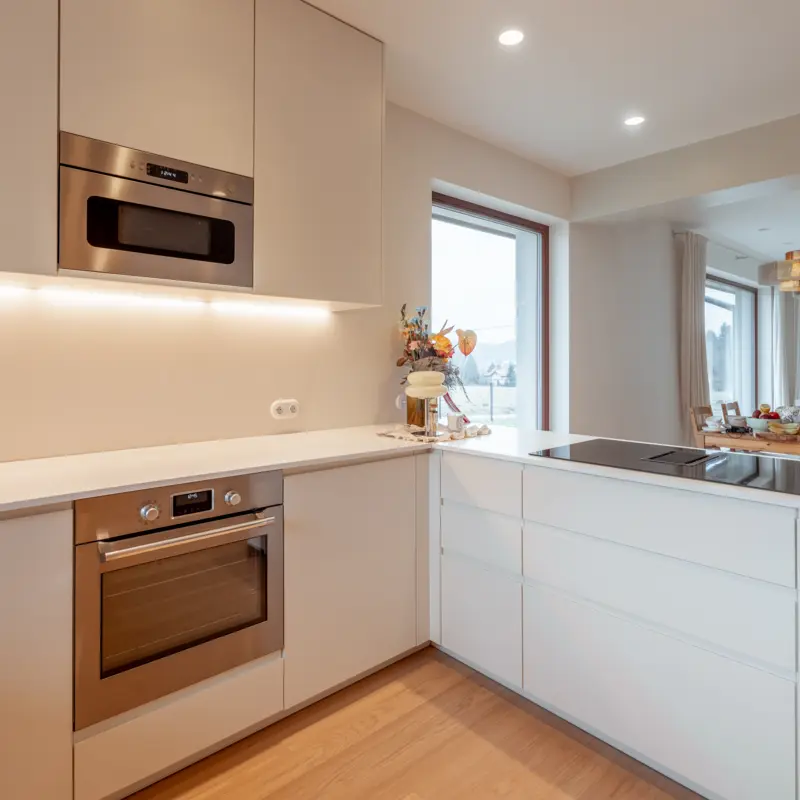
Designing a kitchen is not only a matter of aesthetics, but above all of functionality. Even the most beautiful cabinetry will not fulfill its role if it is not comfortable in everyday use. In systems such as IKEA METOD, which are based on proven modules, choosing the right fronts plays a crucial role. They influence how cabinets are opened, the comfort of grip, ease of cleaning, and the overall experience of working in the kitchen.
Kitchen ergonomics is a combination of proper proportions, intuitive solutions, and well-thought-out details. Lacquered, veneered, or milled fronts can change not only the appearance of the cabinetry but also its functionality. Differences in finish, texture, and the way handles are installed translate into everyday comfort of use. In this article, we will take a closer look at how a conscious choice of fronts can improve kitchen ergonomics and how design influences comfort when working in a space based on IKEA systems.
Designing a kitchen is not only a matter of aesthetics, but above all of functionality. Even the most beautiful cabinetry will not fulfill its role if it is not comfortable in everyday use. In systems such as IKEA METOD, which are based on proven modules, choosing the right fronts plays a crucial role. They influence how cabinets are opened, the comfort of grip, ease of cleaning, and the overall experience of working in the kitchen.
Kitchen ergonomics is a combination of proper proportions, intuitive solutions, and well-thought-out details. Lacquered, veneered, or milled fronts can change not only the appearance of the cabinetry but also its functionality. Differences in finish, texture, and the way handles are installed translate into everyday comfort of use. In this article, we will take a closer look at how a conscious choice of fronts can improve kitchen ergonomics and how design influences comfort when working in a space based on IKEA systems.


